Is Home Energy Storage Right For Now?
For years, many people saw energy storage as a novelty or the preserve of people living off-grid. Now technological developments and the growth of domestic renewable energy mean this is an area with big potential.
Energy storage works well with the idea of the ‘smart home’. Many smart storage systems allow you to keep track of your energy use online and charge the batteries with low rate electricity from the grid if you’re on a tariff that is cheaper at certain times of day, such as Economy.
We’re starting to see energy storage playing a role in smart energy management at the grid level. In the future, we could see people using their energy storage devices, including hot water cylinders, to store excess electricity, in return for preferential rates.
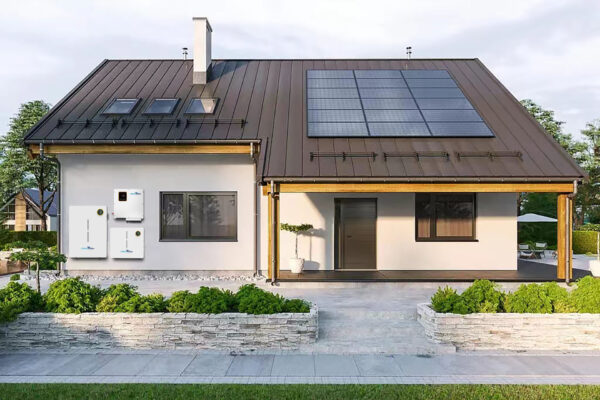
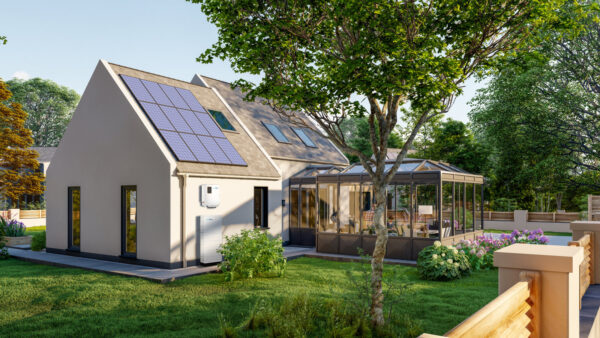
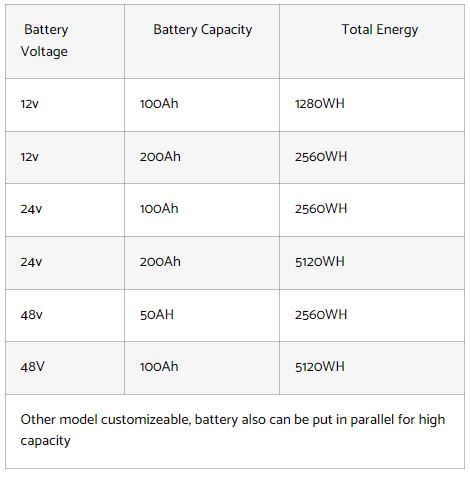
Popular models for home storage system.
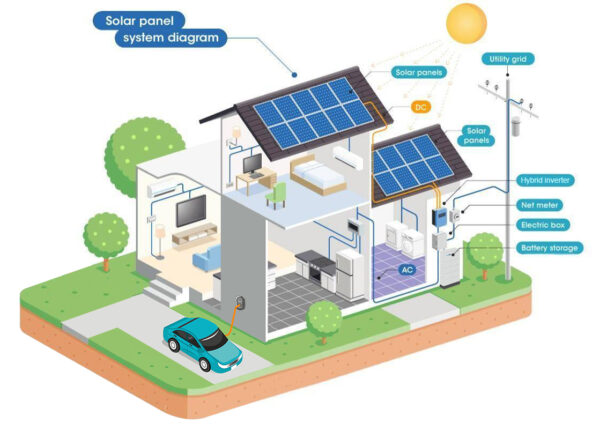
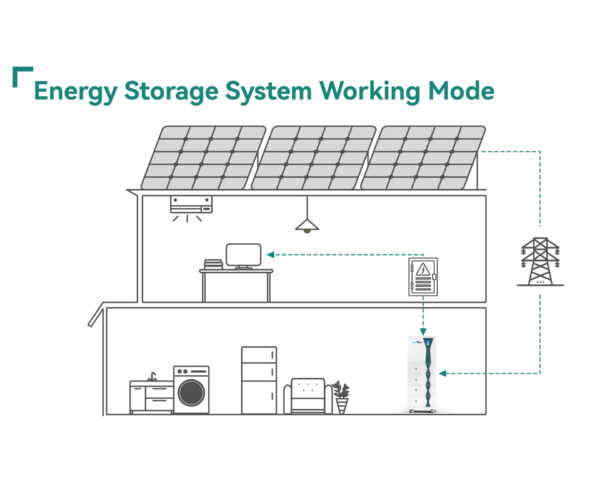
A solar photovoltaic (PV) system changes sunlight into electricity. Sunlight is caught by the solar panels and converted into usable electricity by the inverter. This can then be used to power appliances in your home directly, or stored in a battery for use later when the sun is not shining. If not used or stored, the excess electricity is directed back to the grid.
How Home Battery Energy Storage Systems Work
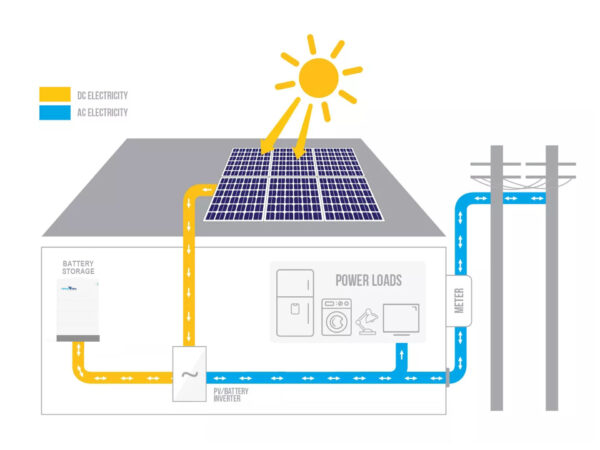
- Solar panels convert sunlight to DC (Direct Current) electricity.
- Any surplus DC electricity charges the power system.
- The inverter converts the DC electricity to AC (Alternating Current) for use in the home.
- The inverter can also convert AC to DC to charge the system using cheap off-peak mains power.